Ever eaten a simple meal and thought, "This needs something"? Ginger chutney is that "something." It's a punchy condiment made with fresh ginger, plus an acid, a sweet note, and a bit of heat. The result can taste spicy, sweet, tangy, or all three at once, depending on how you make it.
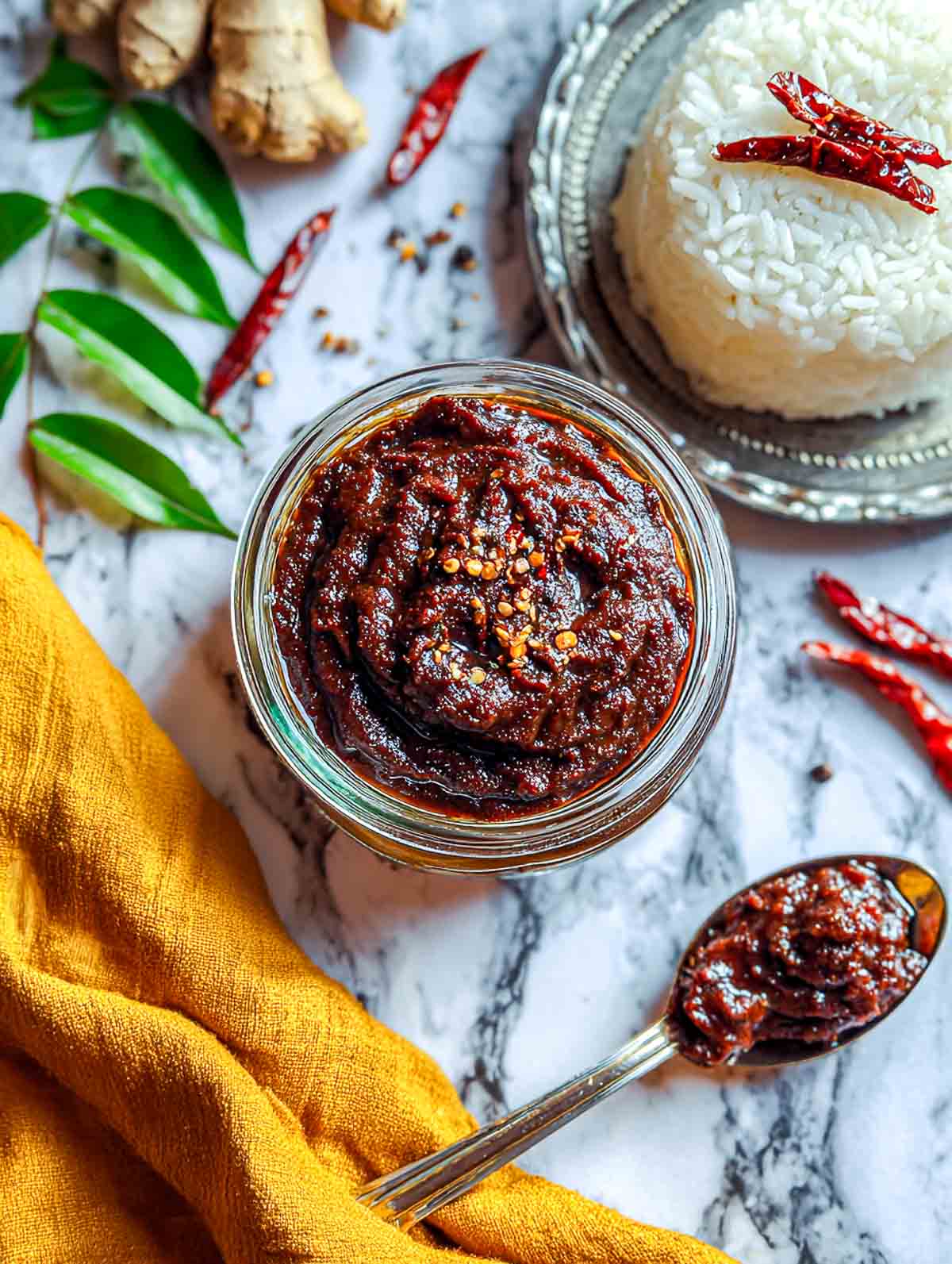
I love ginger chutney because it adds instant flavor to almost anything on the table. Spoon it next to an Indian meal, swipe it onto snacks, or use it like a spread. It also works in sandwiches, with grilled meats, and even on a cheese board. Once you understand how it balances heat, acid, and sweetness, ginger chutney becomes one of the most versatile condiments you can keep in your fridge.
Jump to:

What Ginger Chutney Tastes Like
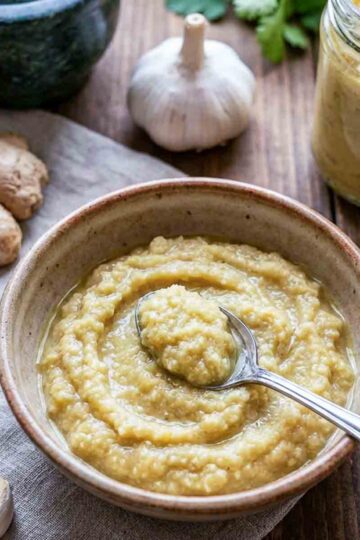
Ginger chutney hits fast and in layers. The first thing you notice is the sharp warmth of ginger, followed by the tang from tamarind. A touch of sweetness rounds it out so the heat does not feel harsh. Salt ties everything together and makes the flavors taste clearer.
The texture changes the experience, too. Some days I keep it coarse, like a relish. Other times, I blend it silky, so it spreads like a thick sauce. At its core, ginger chutney is bold but balanced. When the heat, acid, and sweet are in proportion, it tastes bright and lively rather than overpowering.
Picking The Right Ginger
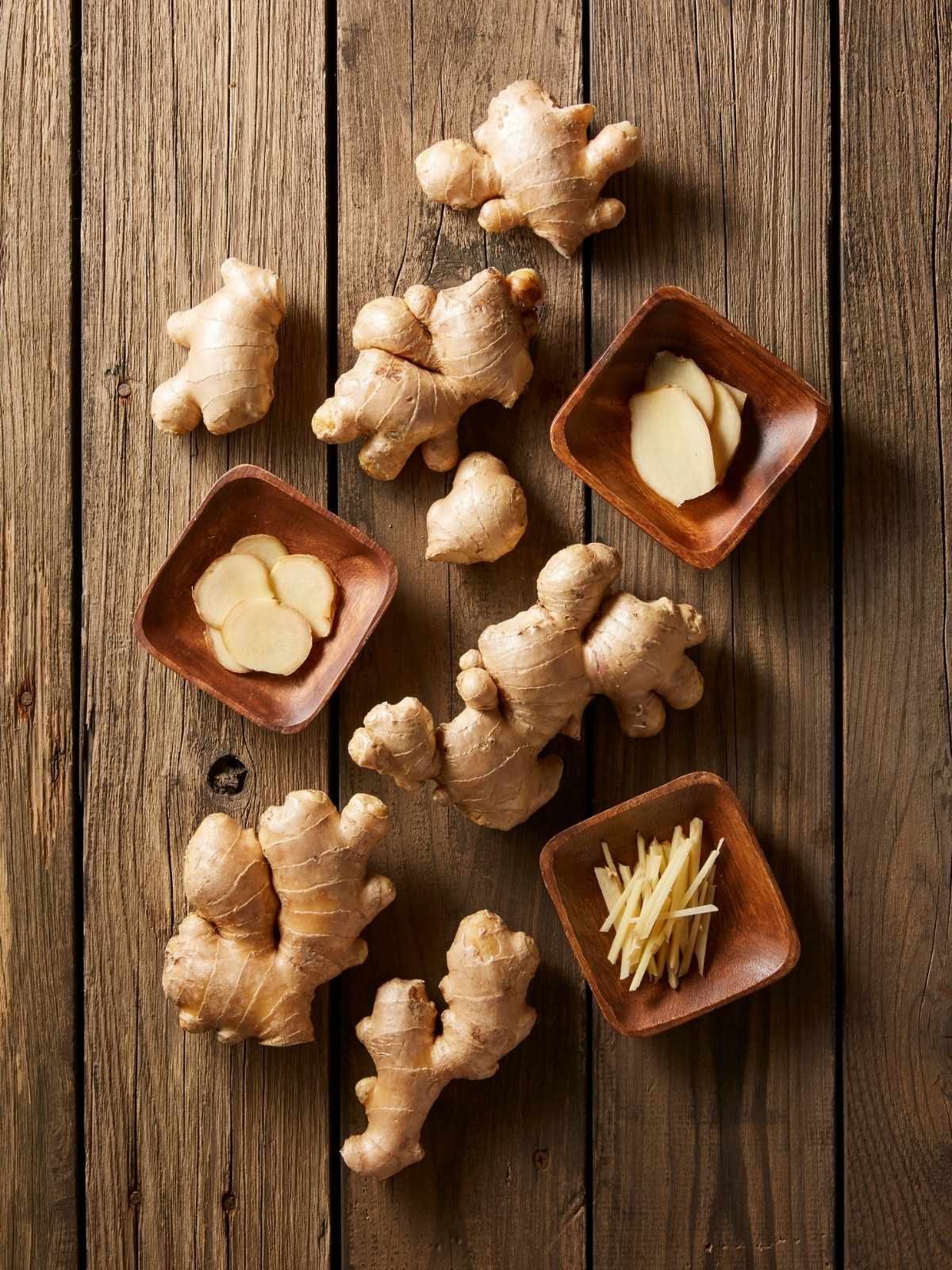
Good ginger makes a noticeable difference in chutney. Look for pieces that feel firm and heavy for their size. The skin should be smooth and tight, not wrinkled or dry. Fresh ginger has a clean, bright smell and a juicy, tender flesh when cut. Younger ginger is milder and less fibrous, which makes it easier to grate and blend smoothly. Mature ginger is hotter and more stringy, but it works just as well if you grate it finely. Before you start cooking, taste a tiny piece. If it is very sharp, you may want a little extra sweetener. If it tastes mild, you can let the heat come from chilis instead.
Common Ginger Chutney Mistakes (And How To Fix Them)
Ginger chutney is simple, but a few small missteps can throw it off. Small details make the difference between bold and balanced.
- Using old, fibrous ginger without grating it finely. Chunky pieces make the chutney stringy and harsh.
Fix: Grate the ginger as finely as possible. If the batch is already made, pulse it briefly in a blender to smooth it out. - Adding too much sweetener at the start. Ginger needs balance, not candy-level sweetness. Add sweetener gradually.
Fix: If it is too sweet, add 1 teaspoon lemon juice or vinegar and a small pinch of salt, then taste again. - Overcooking the ginger. You want to soften the raw edge, not brown it deeply. Browning changes the flavor.
Fix: If it tastes heavy or slightly bitter, add a splash of acid and a pinch of sweetener to rebalance. - Skipping salt. Even a sweet-tang chutney needs salt to taste clear.
Fix: Add salt in small pinches and stir well before tasting again. - Judging it while it is very hot. Hot chutney tastes sharper than it will after resting.
Fix: Let it cool for a minute or two before adjusting the seasoning.
Easy ways to use ginger chutney beyond Indian meals
Ginger chutney doesn't care what cuisine you're cooking. Treat it like a bold condiment, and it fits almost anywhere.
- Stir a spoonful into plain yogurt for a quick dip for fries, veggies, or chicken.
- Spread it on sandwiches, wraps, and burgers instead of pickle relish.
- Brush it on salmon, shrimp, tofu, or tempeh during the last few minutes of cooking.
- Spoon it over roasted sweet potatoes or carrots for sweet-heat contrast.
- Mix it into mayo for a fast "ginger aioli" for tacos or grilled corn.
- Whisk a little into salad dressing with olive oil and lemon.
- Serve it with cheddar, crackers, and sliced apples on a cheeseboard.
Two of my favorite fast snack ideas:
- Toast upgrade: cream cheese, a thin swipe of cooked ginger chutney, then cucumber slices.
- Two-minute dip: yogurt, ginger chutney, and a pinch of salt, then dunk pita chips.
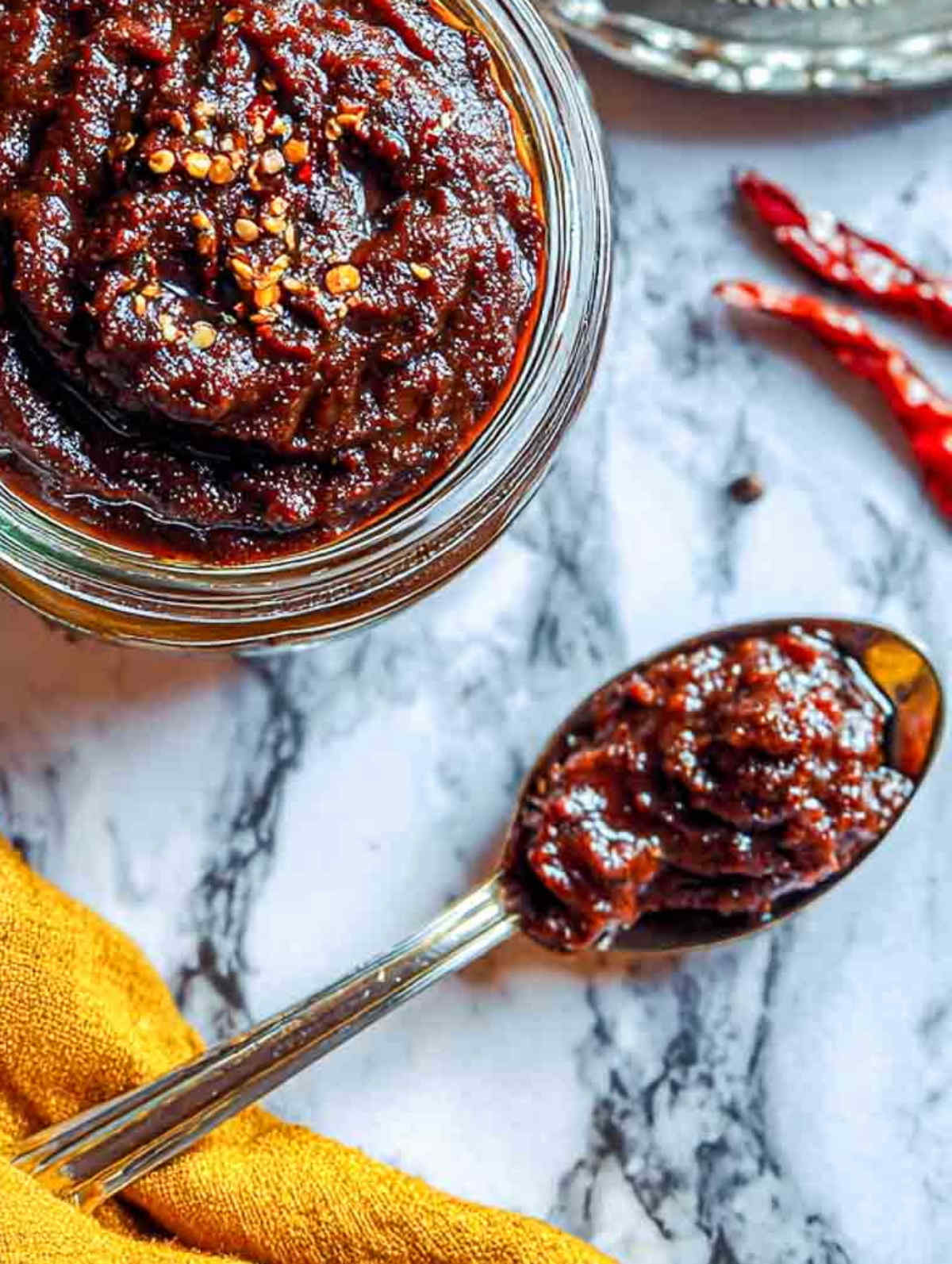
If you enjoyed this recipe, please leave a 5-star rating and a comment below. Your support makes a real difference and helps others discover it too.
Ginger Chutney
Equipment
- Medium skillet or sauté pan
- Small tempering pan
- Blender or small mixer jar
- Measuring spoons
Ingredients
- ½ cup fresh ginger grated
- 3 tablespoons sesame oil or vegetable oil
- 3 dried red chilies
- 1 tablespoon chana dal (split Bengal gram) see notes
- 1 tablespoon urad dal (split black gram) see notes
- 1 small marble-sized piece of tamarind
- 2 tablespoons jaggery grated (or dark brown sugar)
- ½ teaspoon salt or to taste
- 2-3 tablespoons water as needed
For tempering
- 1 tablespoon sesame oil or vegetable oil
- ½ teaspoon mustard seeds
- 6-8 fresh curry leaves
- 1 dried red chili
Instructions
- Heat 3 tablespoons of sesame oil in a pan over medium heat. Add chana dal and urad dal. Cook until lightly golden and aromatic. Add dried red chilies and sauté briefly.
- Add chopped ginger and cook for 3-4 minutes until slightly softened and fragrant. Turn off the heat. Add tamarind and jaggery. Allow the mixture to cool completely.
- Transfer to a blender. Add salt and a few tablespoons of water. Blend into a thick, smooth chutney.
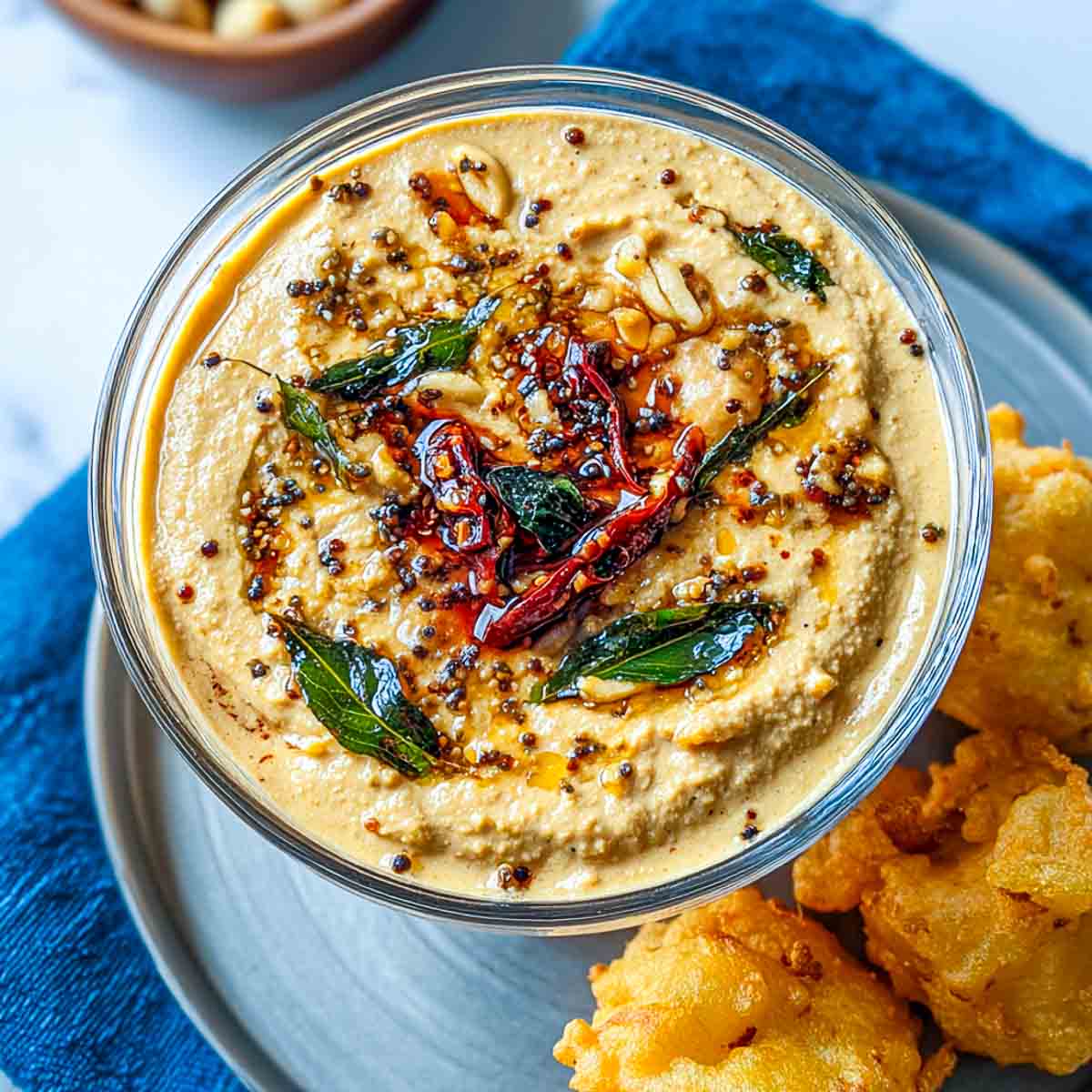
- For tempering, heat 1 tablespoon of sesame oil in a small pan. Add mustard seeds and allow them to splutter. Add curry leaves and dried red chili. Fry briefly until crisp.
- Pour the tempering over the chutney and mix well.
Notes
- If chana dal or urad dal are not available, substitute with raw peanuts, sesame seeds, or red lentils for a similar texture.
- Adjust the amount of dried red chilies based on your heat preference.
- Jaggery balances the sharpness of ginger and tamarind.
- Store refrigerated in an airtight container for up to 5 days.
- If the chutney thickens in the refrigerator, stir in a teaspoon of warm water before serving.
More Condiments To Try Next
- Light and creamy with a smooth spreadable texture, whipped honey transforms regular honey into a fluffy topping that melts beautifully on warm foods. It's especially good on toast, biscuits, pancakes, and fresh bread.
- Fresh coconut blended with chilies and aromatics creates a creamy condiment with a gentle nutty flavor. Coconut chutney pairs beautifully with dosa, idli, and many savory snacks.
- Sweet dates and tangy tamarind cook down into a rich chutney with deep flavor. Date tamarind chutney has a smooth texture and balanced sweetness that works beautifully with chaats, samosas, and crispy snacks.
- Bold garlic and spices create a fiery condiment that instantly adds depth to many dishes. Garlic chutney brings intense flavor and works well with sandwiches, wraps, roasted vegetables, and grilled foods.
- Sweet honey infused with chili heat creates a bold drizzle that instantly adds flavor to everyday dishes. Hot honey balances sweetness and spice beautifully and works especially well on pizza, fried chicken, roasted vegetables, and cheese boards.