Some mornings I just want a savory breakfast that feels complete. Toast, upma, poha, a warm sandwich, even leftover rice, they all taste better with one bold, creamy side. This everyday peanut chutney is what I make when I need something fast but still want that real chutney flavor. I blend roasted peanuts with a handful of things, then I finish it with a quick tadka. That tempering takes it from "fine" to "I want another bite," and it only adds a couple of minutes.
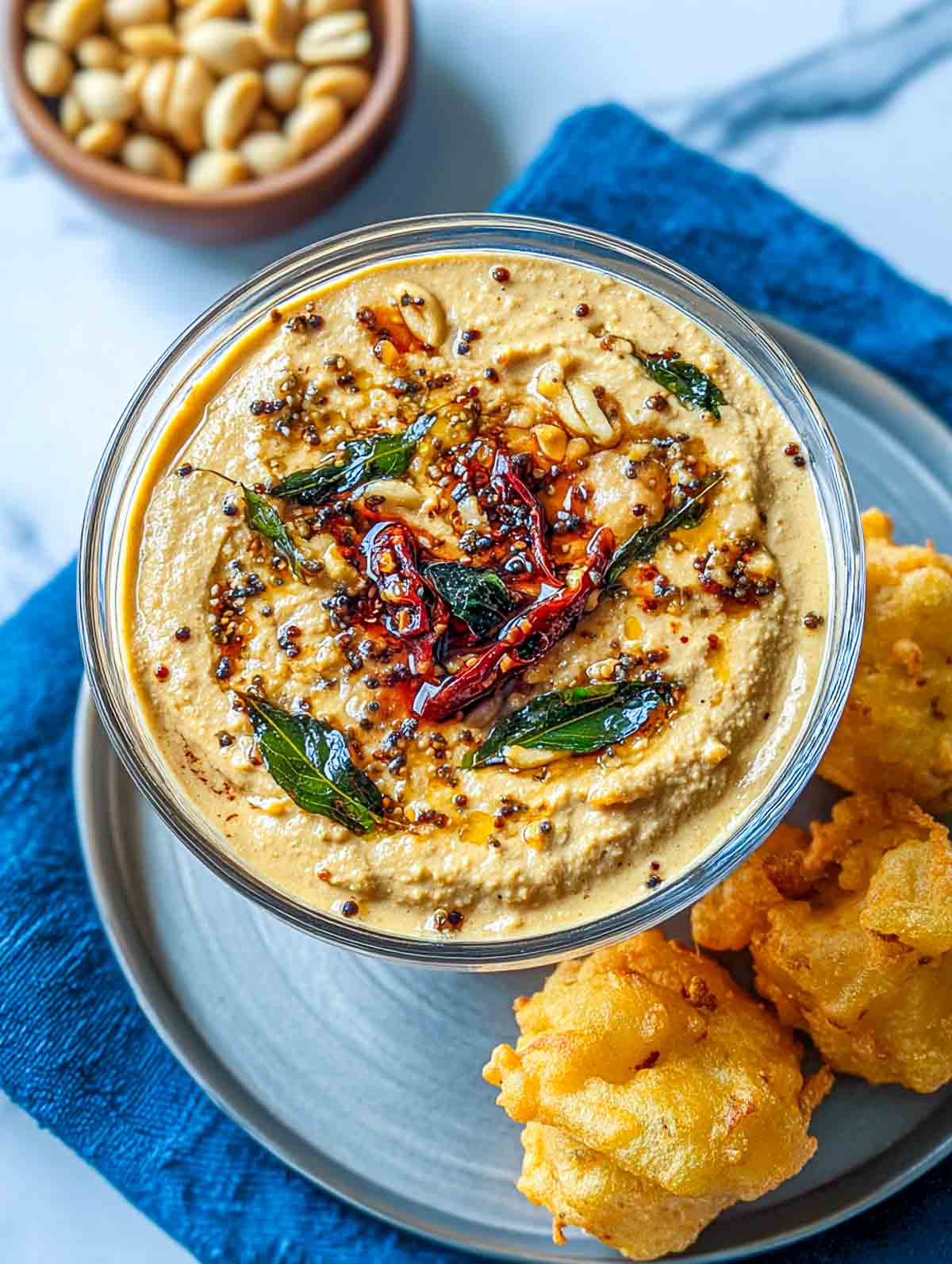
In this post, I'll share my 10-minute method, a few quick variations, and the fastest fixes if your chutney turns bitter, watery, too spicy, or gritty.
Jump to:

What Does Peanut Chutney Taste Like
Peanut chutney tastes like roasted peanuts turned into a savory spread. The best versions hit a few notes at once: nutty, tangy, and warmly spicy. Depending on how you make it, it can also have a gentle sweetness that rounds out the heat.
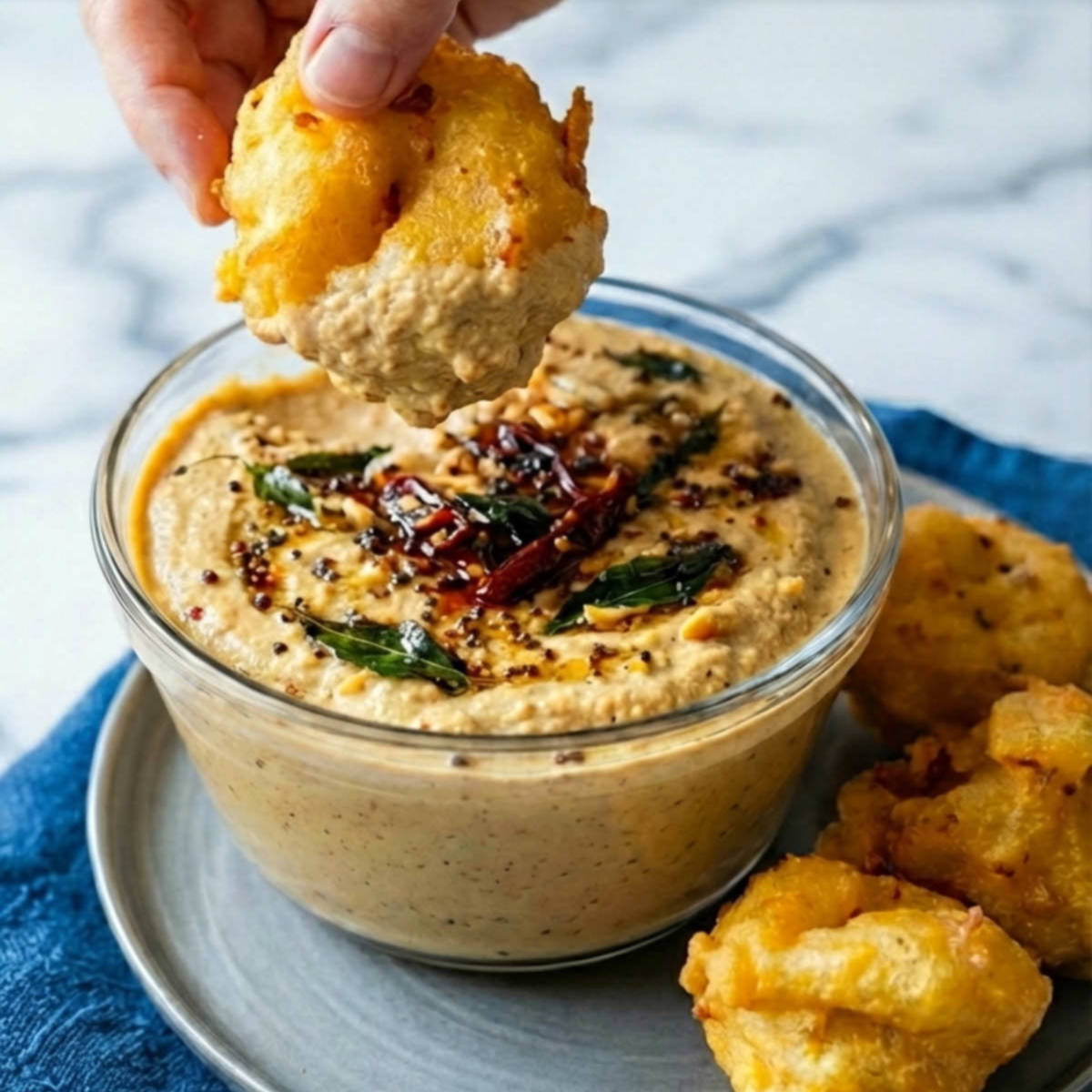
Texture matters as much as flavor. When I'm making peanut chutney for breakfast, I usually blend it until it's smooth and pourable. It should cling to the idli but still flow off a spoon. For snacks, I often keep it thicker, almost like a dip. That thicker style works well with pakoras, cutlets, or roasted vegetables. Here's when I reach for it most:
- With idlis and dosas, because they feel classic and filling.
- With upma or pongal, the chutney adds punch to mild grains.
- Over rice, especially when I want an easy lunch bowl.
- In roti wraps, it acts like a spicy, nutty spread.
- On sandwiches, it replaces mayo with something more interesting.
- Alongside grilled veggies, since roasted flavors play well together.
I also like how forgiving it is. If I want more tang, I add tamarind or lemon. If I want more depth, I finish with a simple tadka (tempering) of oil, mustard seeds, and curry leaves. In other words, peanut chutney can be quiet and comforting, or loud and spicy, based on the day.
If your chutney tastes "flat," it usually needs one of two things: a little more salt, or a little more tang.
Peanut Chutney vs Peanut Sauce
I've seen people use these names like they mean the same thing, but they usually don't. Peanut chutney is typically Indian in style. It is made with roasted peanuts, dried red chilies (or green chilies), and a tangy ingredient like tamarind or lemon. Peanut sauce, on the other hand, is often sweeter and smoother. Depending on the cuisine, it may include soy sauce, coconut milk, sugar, or vinegar. It's commonly used as a dressing or satay-style dip.
So how do I choose? If I'm serving idli, dosa, upma, or pongal, I make peanut chutney. If I'm making noodles, lettuce wraps, or skewers, peanut sauce fits better. They can overlap, but the flavor direction is different.
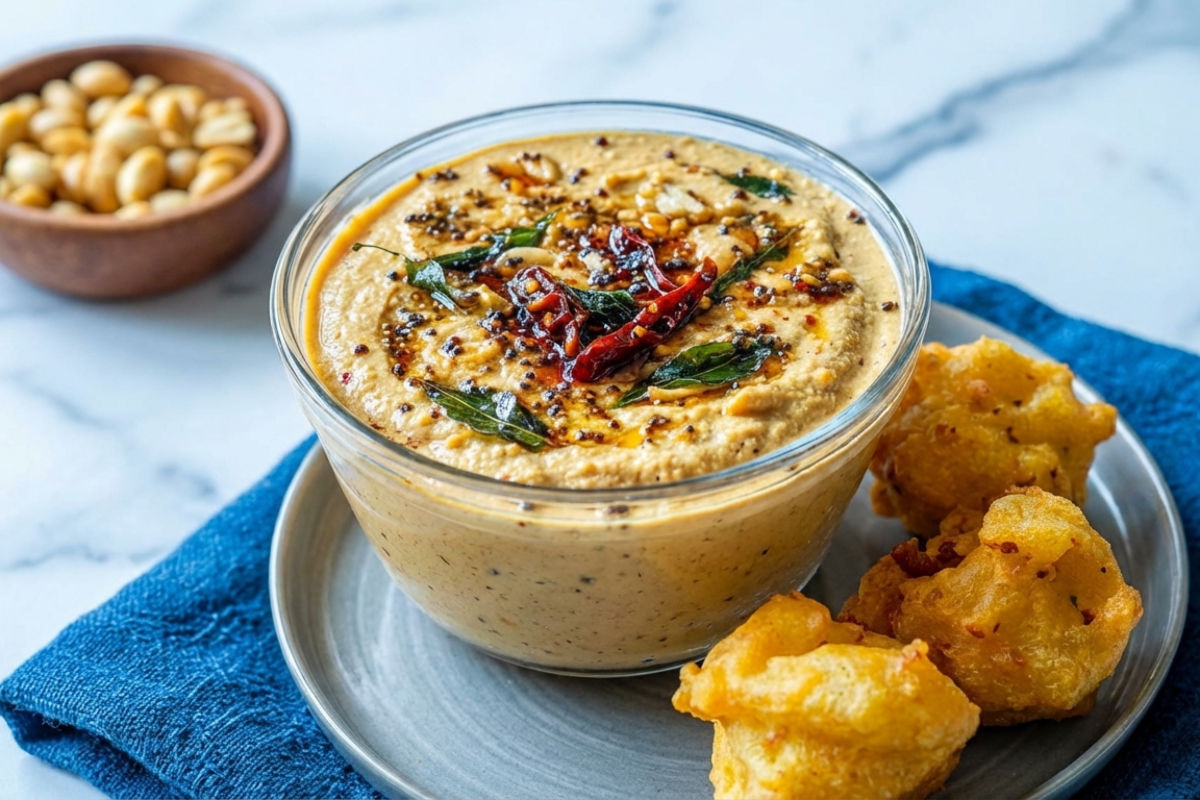
Quick Ingredient Swaps
I don't keep every chutney ingredient on hand all the time. Still, I can almost always make a good peanut chutney with smart swaps. The key is knowing what each ingredient does, then replacing that job (tang, heat, aroma, or body) without surprises. Swaps change the final chutney, and that's fine. Here are the swaps I use most:
- Tamarind paste vs lemon juice: Tamarind gives a deeper tang and a slight fruity note. Lemon tastes brighter and sharper. If you use lemon, add it after blending so it stays fresh.
- Dried red chilies vs chili powder: Whole dried chilies give a cleaner heat and better aroma. Chili powder works in a pinch, but use less, then adjust after tasting.
- Garlic vs hing (asafoetida): Garlic adds a bold bite. Hing gives onion-garlic vibes without actual garlic. Use hing sparingly because it can take over.
- Water vs buttermilk: Water keeps things simple. Buttermilk makes the chutney lighter and slightly tangier, plus it blends smoothly.
- Coconut for extra creaminess: A small handful of fresh or frozen coconut softens heat and makes the chutney feel richer.
- Roasted chana dal to thicken: If my peanuts are oily or I added too much water, roasted chana dal saves the texture. It also gives a mild, toasty flavor.
Fix common problems: bitter, watery, too spicy, or gritty
Even a simple peanut chutney recipe can go sideways. I've had batches that tasted bitter, separated in the bowl, or felt sandy on the tongue. The good news is that most problems have quick fixes, and you don't need to throw anything out. Here's what I do when something feels off:
- Bitter chutney: This usually comes from burnt peanuts, burnt chilies, or old nuts. If the peanuts smell stale, the chutney will taste stale. To rescue a slightly bitter batch, add a small pinch of jaggery or sugar, plus a bit more tamarind or lemon to balance it. If it's strongly bitter, start over because the burned taste sticks.
- Watery chutney: To thicken it, blend in a few more roasted peanuts or 1 to 2 tablespoons of roasted chana dal. A small handful of coconut also thickens it, but it changes the flavor.
- Too spicy: Heat can build fast, especially with certain dried chilies. Mellow it by adding yogurt, coconut, or extra peanuts. A touch of sweetness can help, but keep it small so it doesn't change the flavor profile.
- Gritty texture: This is almost always under-blending or not enough liquid. Blend longer, scrape down the jar, then blend again. Add a splash of water if needed and keep going.
My biggest rule: I don't rush the roasting. Lightly toasted peanuts taste sweet and nutty. Dark roasted peanuts can taste harsh.
Serving Ideas
- Breakfast: I keep the chutney slightly thinner for breakfast so it spreads and scoops easily. It pairs naturally with idli, dosa, and pesarattu. I also use it on plain toast when I want something quick and savory.
- Lunch: For lunch, a thicker peanut chutney works well mixed into hot rice with sautéed greens or spooned over a simple grain bowl. I also spread it inside a roti wrap with cucumber and leftover potato sabzi.
- Snacks: I use it as a dip when snack time hits. It goes well with pakoras, roasted sweet potato wedges, grilled paneer, or crunchy carrots.
3 Tasty Versions I Make Based on Mood
These are the three styles I make most often, because each one fits a different mood.
- Coconut Peanut Chutney: When I want a softer, creamier version, I add a small handful of fresh or frozen grated coconut while grinding. It rounds out the flavor and makes the chutney milder.
- Extra Spicy Andhra-Style Peanut Chutney: For more heat, I increase the dried red chilies and make the tempering slightly bolder by adding an extra pinch of hing. A little more tamarind keeps the spice balanced and prevents bitterness.
- No-Tempering Version: On busy days, I skip the tempering entirely. The chutney still tastes strong and complete because the garlic and chilies carry it. This version works especially well when I am packing it for lunch or meal prep.
Storage Tips
- Store peanut chutney in an airtight container in the refrigerator for up to 3 to 4 days. If tempering is added, allow it to cool completely before refrigerating.
- The chutney will thicken as it sits. Stir in 1 to 2 tablespoons of water before serving to loosen the consistency.
- Always use a clean, dry spoon to prevent spoilage.
- This chutney is not ideal for freezing, as the texture can become grainy after thawing.
If you enjoyed this recipe, please leave a 5-star rating and a comment below. Your support makes a real difference and helps others discover it too.
Peanut Chutney
Equipment
- Blender or mixer grinder
- Small skillet or tempering pan
- Small bowl (for soaking tamarind)
- Measuring cups and spoons
Ingredients
For the Chutney:
- 1 cup roasted peanuts
- ½ cup roasted Bengal gram
- 1 teaspoon coconut oil
- 7-8 cloves garlic sliced
- 1 tablespoon tamarind
- 5-6 dried red chilies or to taste
- Salt to taste
- Water as needed for blending
For the Tempering (Optional):
- 1 teaspoon coconut oil
- ½ teaspoon mustard seeds
- ½ teaspoon asafoetida hing
- 5-6 curry leaves
- 1-2 dried red chili
Instructions
- Place the tamarind in a small bowl and soak it in a few tablespoons of warm water for 5-10 minutes. Squeeze and extract the pulp, then discard any fibers or solids. Set aside.
- Heat 1 teaspoon coconut oil in a small pan over medium heat. Add the sliced garlic and dried red chilies. Sauté until the garlic turns lightly golden and aromatic. Remove from heat and allow the mixture to cool slightly.
- In a blender jar, combine roasted peanuts, roasted Bengal gram, sautéed garlic and chilies, tamarind extract, and salt.
- Add a few tablespoons of water and grind to a smooth, creamy chutney. Add more water gradually until you reach your preferred consistency. The chutney should be thick yet spoonable.
- Transfer the peanut chutney to a serving bowl. It can be served as is or finished with tempering.
- To prepare the tempering, heat 1 teaspoon of coconut oil in a small pan over medium heat. Add mustard seeds and allow them to splutter. Add asafoetida and curry leaves. Sauté for a few seconds until fragrant.
- Immediately pour the hot tempering over the prepared chutney. Serve fresh.
Notes
- If using raw peanuts, dry roast them on low heat for 8 to 10 minutes until lightly golden. Let them cool completely, then remove the skins before using.
- To remove skins, rub the peanuts between your fingers or place them in a muslin cloth and rub gently to loosen the skins.
- Frying the garlic and chilies adds depth and mellows their sharpness. You may skip sautéing and use them raw for a stronger flavor.
- Tempering is optional but adds traditional flavor and texture. Coconut oil gives an authentic taste, though any neutral cooking oil may be used.
More Condiments To Try Next
- Slow-cooked onions develop deep savory flavor as they soften and caramelize. Onion chutney has a rich taste that pairs beautifully with breads, dosa, and many everyday meals.
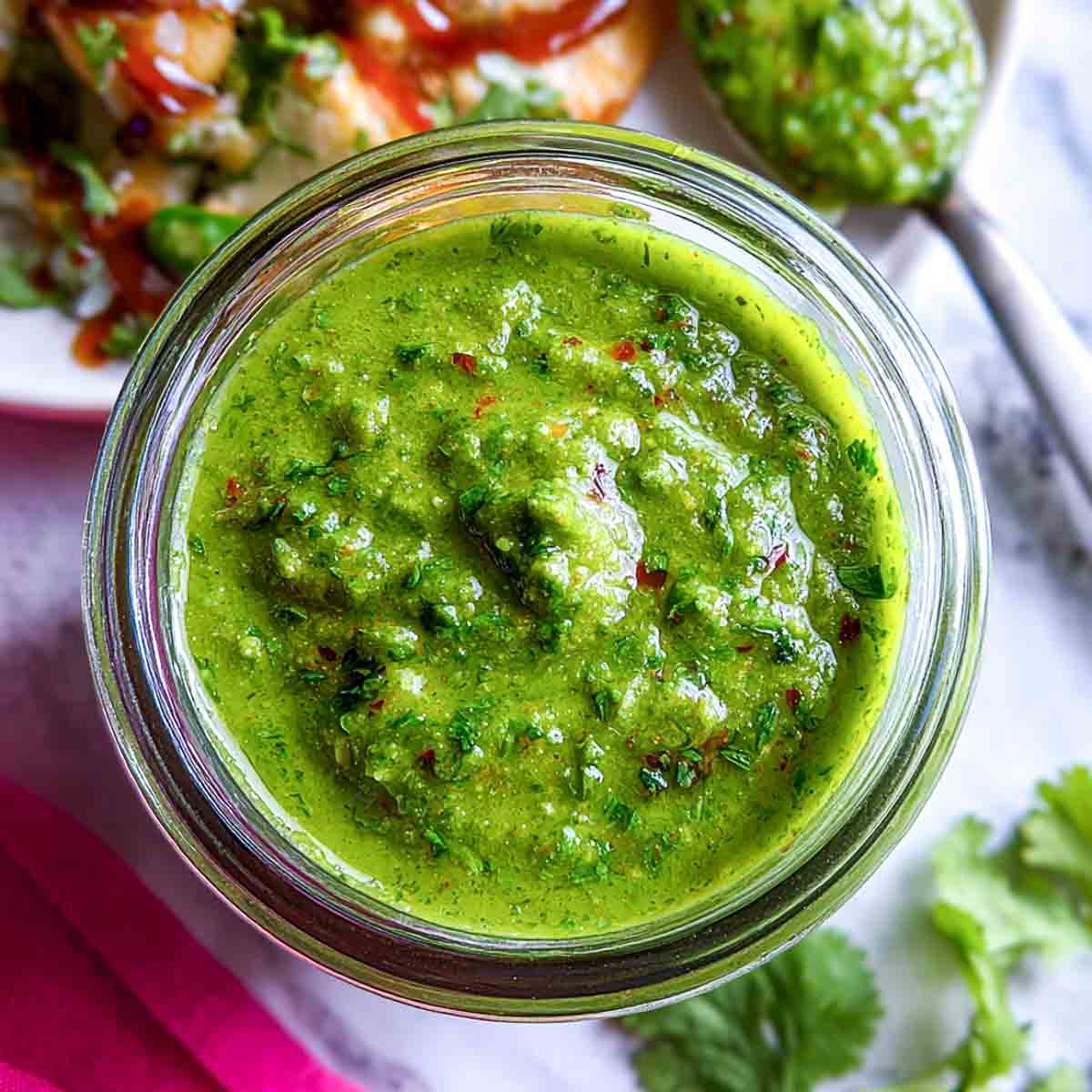
- Fresh herbs, chilies, and citrus blend into a vibrant condiment with a refreshing flavor. Green chutney instantly brightens sandwiches, snacks, and grilled foods.
- Sweet mango simmered with vinegar and warm spices creates a fruit chutney with layers of flavor. Mango chutney thickens and pairs beautifully with grilled meats, rice dishes, and cheese boards.
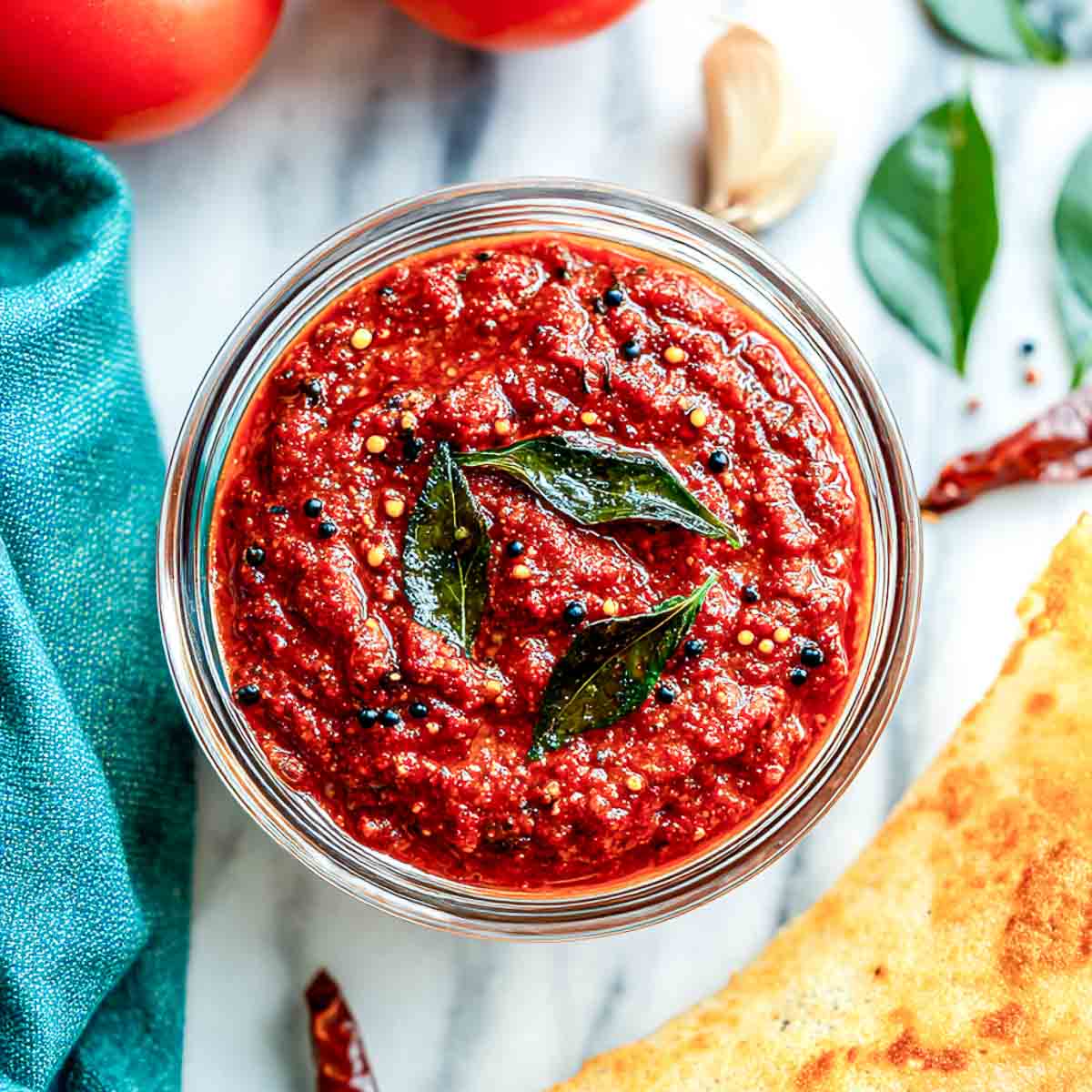
- Tomatoes slowly cook with spices until they develop a deep, savory flavor. Tomato chutney has a gentle tang that complements breads, rice dishes, and simple meals.
- Sweet, tangy, and slightly crunchy, the homemade hot dog relish creates a classic condiment that brightens grilled foods. The finely chopped vegetables and vinegar base add flavor to hot dogs, burgers, and sandwiches.