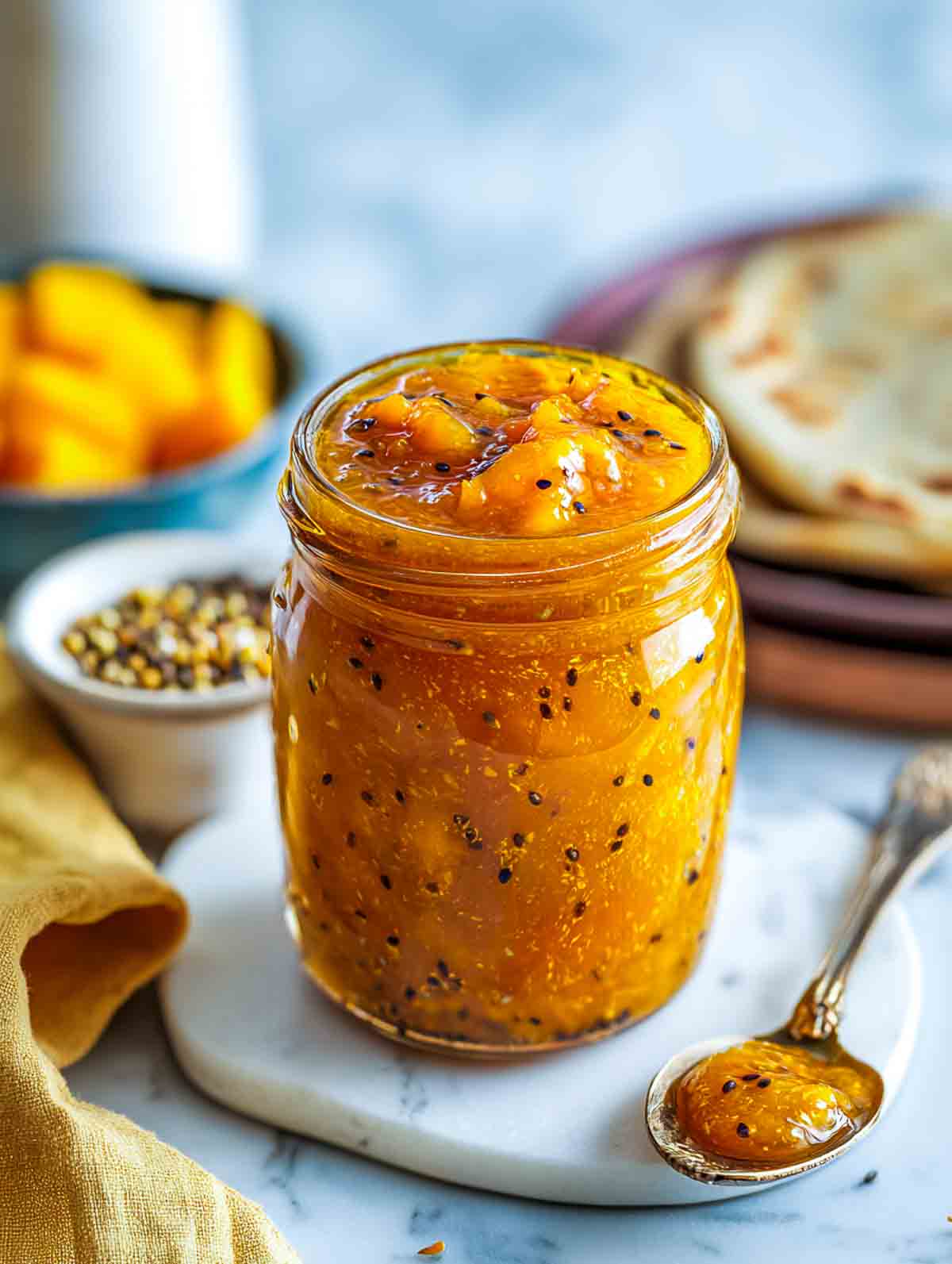
A good jar of mango chutney can do what a dozen sauces can't. It's a fruit-based condiment that hits sweet, tangy, and spiced notes at once. Think of it like a bridge between jam and relish, with a little heat and a little bite. That mix is why it upgrades everyday food so fast. Spoon it next to a samosa, swipe it on a sandwich, or serve it with grilled meat. It even makes cheese boards feel like gourmet appetizers without extra work.
Jump to:

What Mango Chutney Tastes Like
Mango chutney sits between a fruit spread and a savory relish for me. It's thicker than salsa but looser than jam. I think it carries more depth than either because it relies on spice, acidity, and sometimes a gentle heat. A homemade mango chutney tastes fresher and more balanced. It also gives you control over texture and sweetness.
Most chutney recipes simmer fruit with vinegar, citrus, and spices. That cooking step softens the mango, concentrates flavor, and creates a spoonable consistency. Indian mango chutney has its own style, too. Depending on the region and the cook, it might be sweeter, more tart, or more chili-forward. There isn't one single "right" jar. That's why so many people keep a favorite mango chutney recipe and tweak it over time.
Picking the right mango
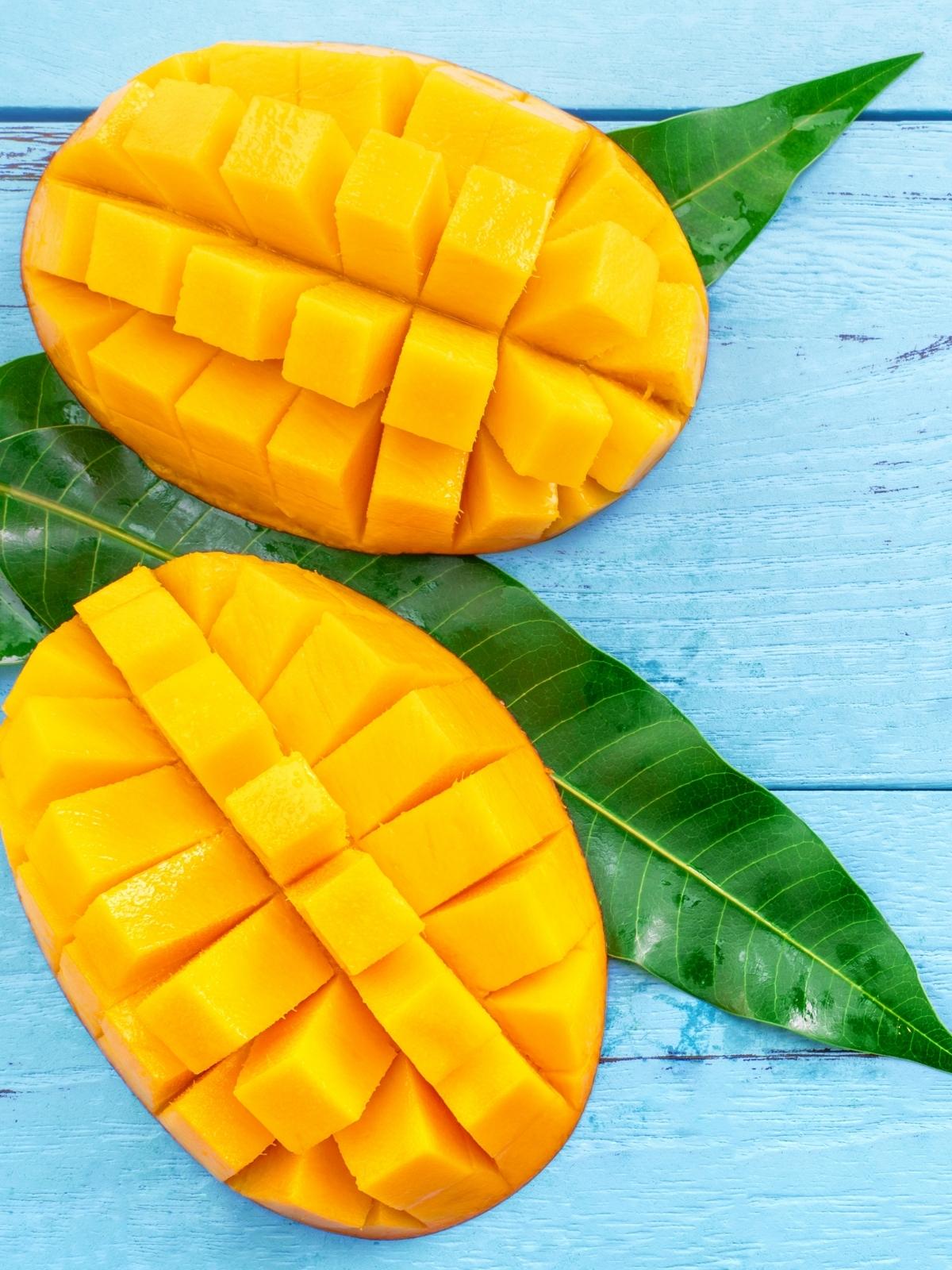
Mango choice shapes the whole jar, so it's worth a quick check at the store. For a sweeter, softer chutney, choose ripe mangoes that give slightly when you press them. They break down faster, so you get a jammy texture. For a brighter, tangier bite, use firm or just barely ripe mangoes. They hold their shape longer and taste more zippy after simmering. Either way, skip mangoes that feel mushy or bruised, because they can turn the chutney watery.
Different varieties work well, so don't overthink it. The real goal is texture control. If you're learning how to make mango chutney, start with mangoes that are ripe but not collapsing. You'll get a reliable result, which makes your next batch easier to tweak into your personal simple mango chutney recipe.
How I Use Mango Chutney
Mango chutney works best when you treat it like a finishing element. A small spoonful can brighten a rich plate the way pickles or lemon do, but with more depth. Here are simple ways to use it without planning a whole menu:
- With samosa and snack plates: Spoon it on the side, or swirl it into yogurt for a quick dip.
- Alongside curry night: Add a small spoonful to your plate to brighten creamy dishes.
- As a glaze for grilled meat: Brush onto chicken thighs or pork during the last few minutes of grilling.
- With seafood: Try a little with roasted salmon or pan-seared shrimp for sweet-tang contrast.
- On cheese boards and Gourmet appetizers: Pair with sharp cheddar, brie, or goat cheese, plus crackers and nuts.
- Surprising uses: Spread on turkey sandwiches, or toss a spoonful with roasted cauliflower and chickpeas.
How To Store Mango Chutney
Most traditional homemade mango chutney keeps well in the fridge for about 2 to 4 weeks. Sugar and vinegar help preserve it, but they do not make it shelf-stable on their own. If you want to freeze it, portion it into small containers so you can thaw only what you need. The texture will soften slightly after thawing, but the flavor remains strong and works well for glazing or stirring into sauces.

If you enjoyed this recipe, please leave a 5-star rating and a comment below. Your support makes a real difference and helps others discover it too.
Mango Chutney
Equipment
- Large heavy-bottomed pot
- Wooden spoon or spatula
- Knife and cutting board
- Clean glass jars
Ingredients
- 1 tablespoon neutral oil
- 1 inch fresh ginger finely grated
- 2 cloves garlic finely minced
- 1 red chili thinly sliced
- 2 teaspoons nigella seeds
- 1 teaspoon ground coriander
- 1 teaspoon ground cumin
- ½ teaspoon turmeric
- ¼ teaspoon ground cardamom
- ¼ teaspoon ground cloves
- ½ teaspoon salt
- 5 large ripe mangoes peeled and diced
- 2 cups granulated sugar
- 1 cup white vinegar
Instructions
- Heat a large heavy-bottomed pot over medium heat and add the oil.
- Add the ginger, garlic, and red chili. Cook for about 1 minute, stirring continuously, until fragrant. Keep the heat moderate so the garlic does not brown.
- Stir in the nigella seeds, coriander, cumin, turmeric, cardamom, cloves, cinnamon, and salt. Let the spices bloom for about 30 seconds, stirring constantly.
- Add the diced mangoes, sugar, and vinegar. Stir thoroughly to combine and dissolve the sugar. Increase the heat and bring the mixture to a rolling boil.
- Reduce to medium-low and simmer uncovered for 50-60 minutes, stirring occasionally. As the chutney thickens, stir more frequently to prevent sticking.
- Cook until the mango is completely tender, and the mixture reduces to a thick, glossy consistency that coats a spoon. Lightly mash some of the mango pieces if you prefer a softer texture, keeping some chunks for body.
- Remove from heat and allow to cool completely before transferring to jars.
Notes
- Use ripe but firm mangoes. Overripe mangoes break down too quickly and can make the chutney overly soft.
- White vinegar keeps the flavor sharp and clean. Apple cider vinegar can be used, but it will slightly deepen the color and sweetness.
- Nigella seeds add a subtle onion-like aroma that makes this taste more traditional.
- Simmer uncovered. Covering traps moisture and prevents proper thickening.
- Stir more frequently during the last 15 minutes. Sugar concentration increases as it reduces and can scorch.
- The chutney will thicken noticeably as it cools. Do not over-reduce in the pot.
- If your mangoes are extremely sweet, increase the vinegar by 1 to 2 tablespoons for balance. If your mangoes are slightly tart, an extra 1 to 2 tablespoons sugar will smooth the finish.
More Condiments To Try Next
- Slow-cooked onions develop deep savory flavor as they soften and caramelize. Onion chutney has a rich taste that pairs beautifully with breads, dosa, and many everyday meals.
- Fresh herbs, chilies, and citrus blend into a vibrant condiment with a refreshing flavor. Green chutney instantly brightens sandwiches, snacks, and grilled foods.
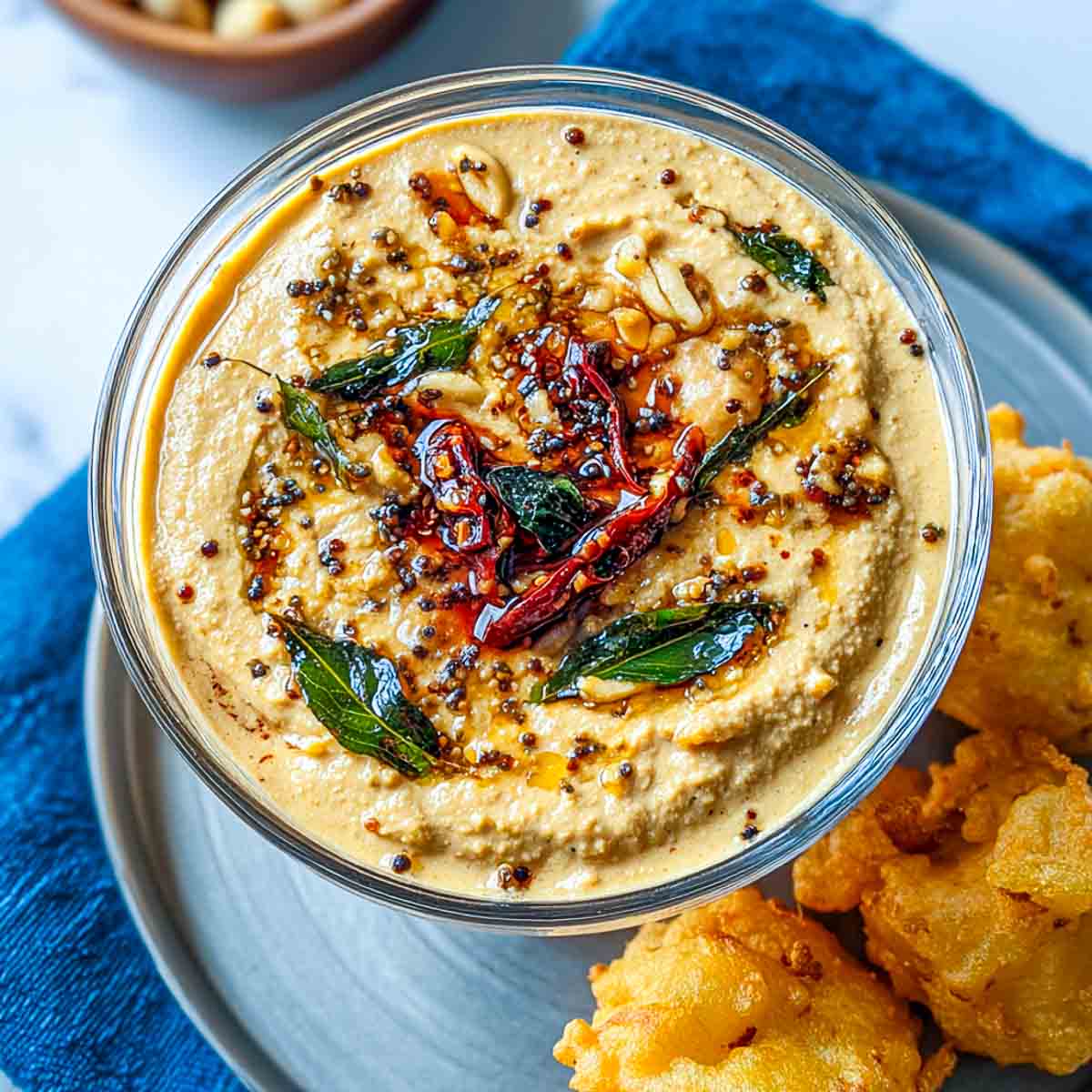
- Roasted peanuts blended with chilies and spices create a creamy condiment with a rich nutty flavor. Peanut chutney pairs beautifully with dosa, idli, and many traditional South Indian breakfasts.
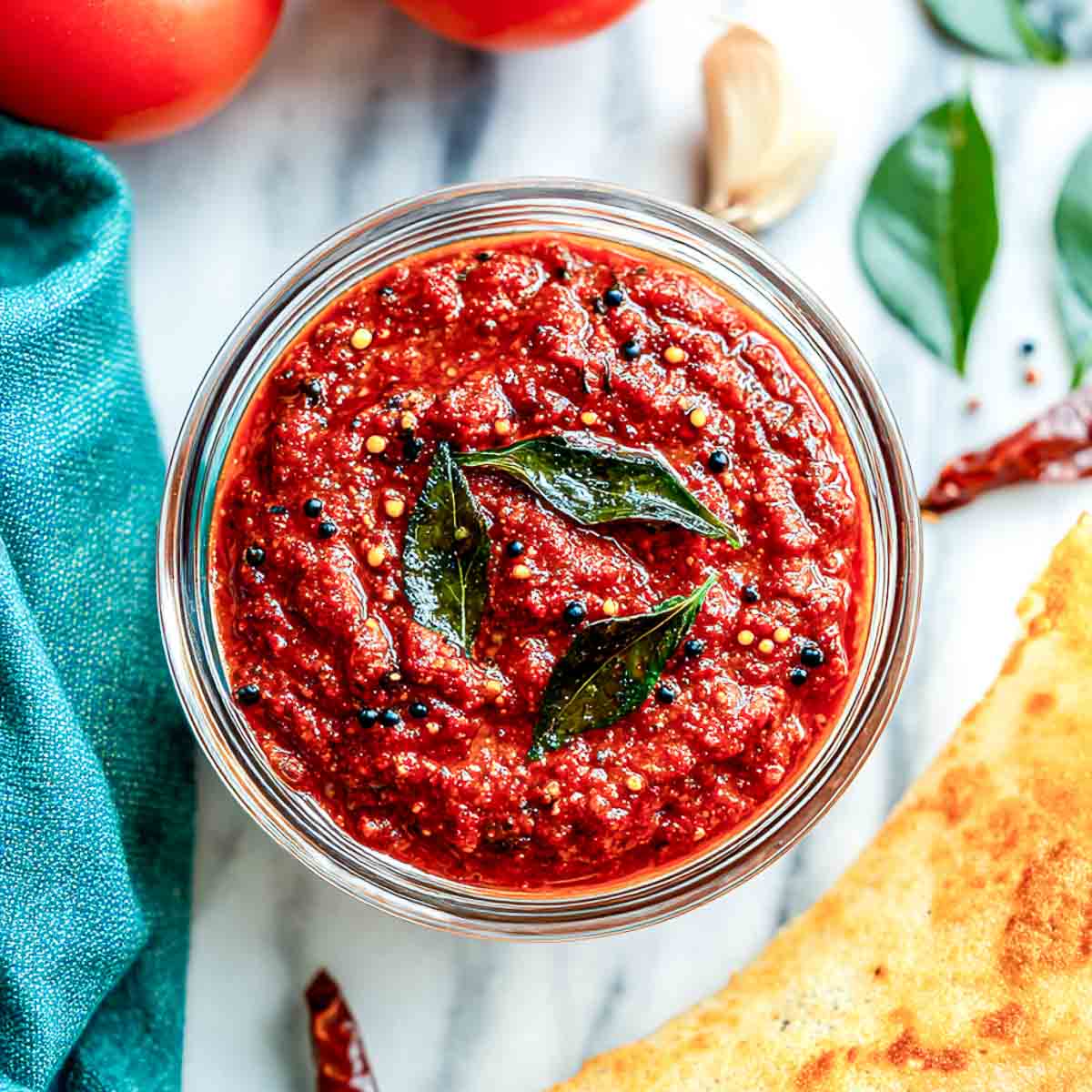
- Tomatoes slowly cook with spices until they develop a deep, savory flavor. Tomato chutney has a gentle tang that complements breads, rice dishes, and simple meals.
- Sweet, tangy, and slightly crunchy, the homemade hot dog relish creates a classic condiment that brightens grilled foods. The finely chopped vegetables and vinegar base add flavor to hot dogs, burgers, and sandwiches.